The Ghost in the Boat: Sutton Hoo and the King the Ground Ate
If you were a high-status Anglo-Saxon warrior, you didn’t just get a headstone. You didn’t get a quiet plot of land and a sombre prayer. You got a boat.
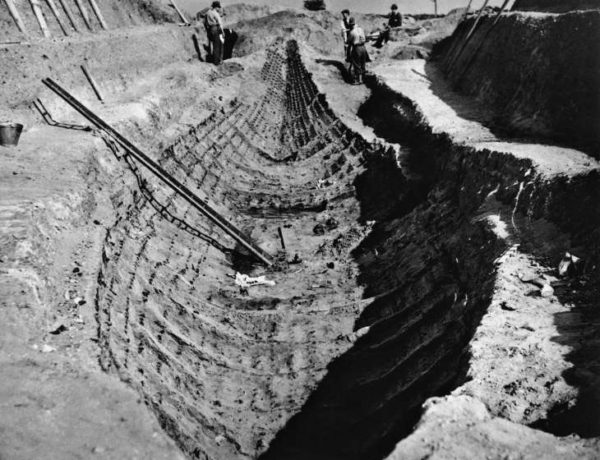
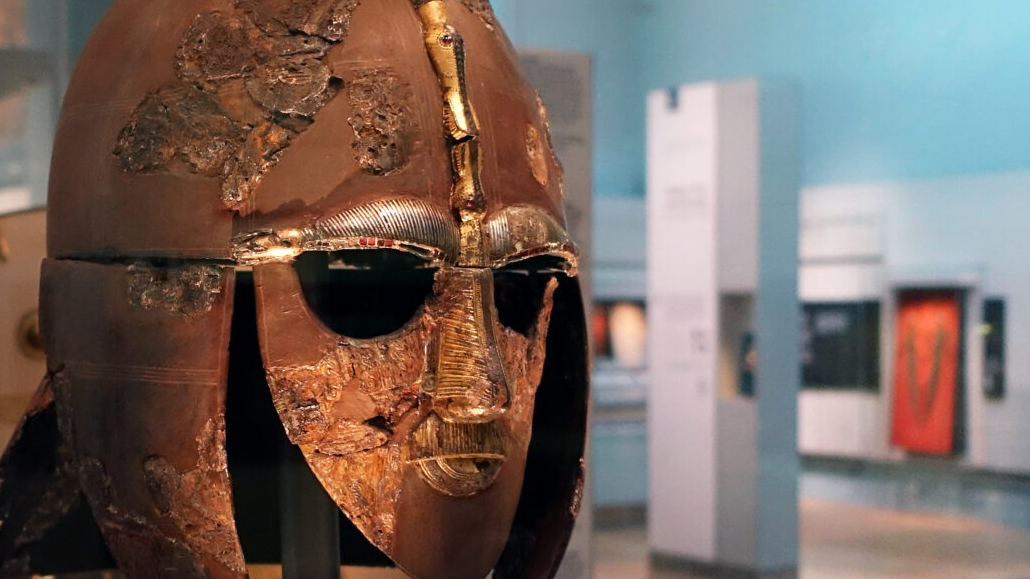
In the summer of 1939, on the estate of Edith Pretty in Suffolk, archaeologists uncovered something that felt closer to legend than history: a 27-meter ong ship, hauled inland and buried beneath a great mound overlooking the River Deben. Inside was a chamber overflowing with gold, weaponry, silver bowls from Byzantium, textiles, feasting gear, and objects so finely crafted they still command awe today.
It was – and remains – the richest intact early medieval grave in Europe.
This is Sutton Hoo. And it changed everything we thought we knew about early medieval England.
But there was one problem. There was no King.
The Forensic Shadow
In any good forensic drama, there’s always a trace left behind. Sutton Hoo is no different – except here, the ground itself became the detective.
The soil in this part of Suffolk is incredibly acidic. Over thirteen centuries, it quietly consumed the body: bone, teeth, cartilage, skin – all dissolved into the earth. When excavators opened the burial chamber, they found the treasures, the weapons, the ship… but no person.
For a moment, they wondered if the grave was symbolic – a cenotaph.
Then the chemistry spoke.
A dense, human-shaped spike of phosphate in the sand revealed the truth: a body had been there. A literal molecular ghost. A person whose physical form had been reclaimed by the landscape, leaving behind only a chemical shadow surrounded by glittering wealth.
It’s haunting – a tomb built for a king, centred around absence.
Who was Buried Here
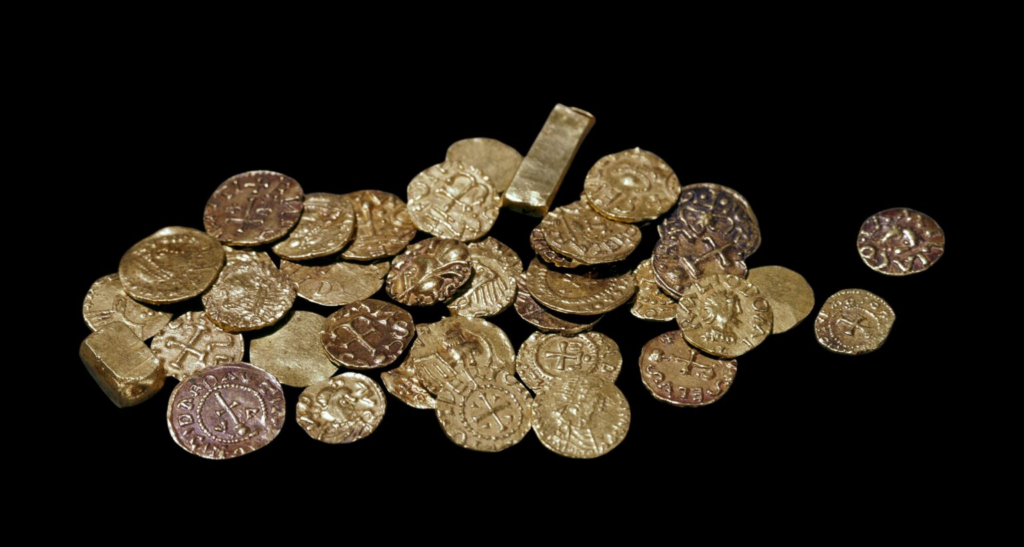
The grave goods date the burial to around 610-635 CE, thanks to a set of 37 Merovingian gold coins, and 3 blank coins (Archaeologists love coins), and two small ingots. This makes a total of 42 gold items; some historians think this was intentional – perhaps payment for the 40 oarsmens of the ship plus the steerman!
This timeframe points strongly to King Raedwald of East Anglia, a powerful ruler mentioned by Bede.
We can’t prove it was him – but the scale, wealth, and symbolisms of the burial make him the leading canidate.
Whoever the individual was, they were unquestionably elite. This was a person whose identity was tied to warfare, leadership, and long-distance connections. The grave goods alone tell a story pf intentional networks:
- Byzantine silver bowls
- Frankish coins
- Scandinavian-influenced craftmanship
- Anglo-Saxon goldwork of astonashing skill.
This burial was meant to broadcast power.
Death as Departure
Ship burials weren’t common in Anglo-Saxon England. They were reserved for the highest ranks – the people whose identities were so bound to searfaring, warefare, and status that even death required a vessel.
Across Scandinavia, the germanic world, and even parts of the Asia-Pacific, ships symbolised transition. They were liminal spaces: not quite land, not quite sea. Perfect for a soul on the move.
To be buried in a ship wasn’t about “rest”. It was about departure.
A ship was a vehicle for the afterlife. The grave goods were your kit. And the message was unmistakable.
This mattered. This person travelled far – in life and beyond.
What We Leave Behind
We don’t really do ship burials anymore (which is a shame – imagine the drama). Instead, we leave behind digital footprints, photos, playlist, half-finished notes, and the odd box of sentimental chaos under the bed.
But the idea behind grave goods hasn’t vanished. We still curate our identities. We still choose what represents us.
So it makes me wonder:
If you had to be buried with a message – a kit for whatever comes next – what would you put in your ship?
For me, one of my first things would be my scrapbook. It’s messy, colourful, personal, and full of tiny moments and amazing people that make up my life (and some I probably won’t want to remember). Maybe I’d add a notebook full of ideas, a favourite pen, and a few objects that remind me of my favourite people. A little archive of who I was, stitched together in paper and ink.
Because in the end, grave goods aren’t really about death. They’re about identity. They’re about saying: This was me. This is what mattered.
Sources
Archaeology history: Sutton Hoo: Suffolk (no date) National Trust. Available at: https://www.nationaltrust.org.uk/visit/suffolk/sutton-hoo/history-of-archaeology-at-sutton-hoo (Accessed: 05 May 2026).
The discovery of the Sutton Hoo burial ship (2025) The Archaeologist. Available at: https://www.thearchaeologist.org/blog/the-discovery-of-the-sutton-hoo-burial-ship (Accessed: 05 May 2026).
Sutton Hoo Ship Burial – smarthistory (2017) Smarthistory. Available at: https://smarthistory.org/the-sutton-hoo-ship-burial/ (Accessed: 05 May 2026).