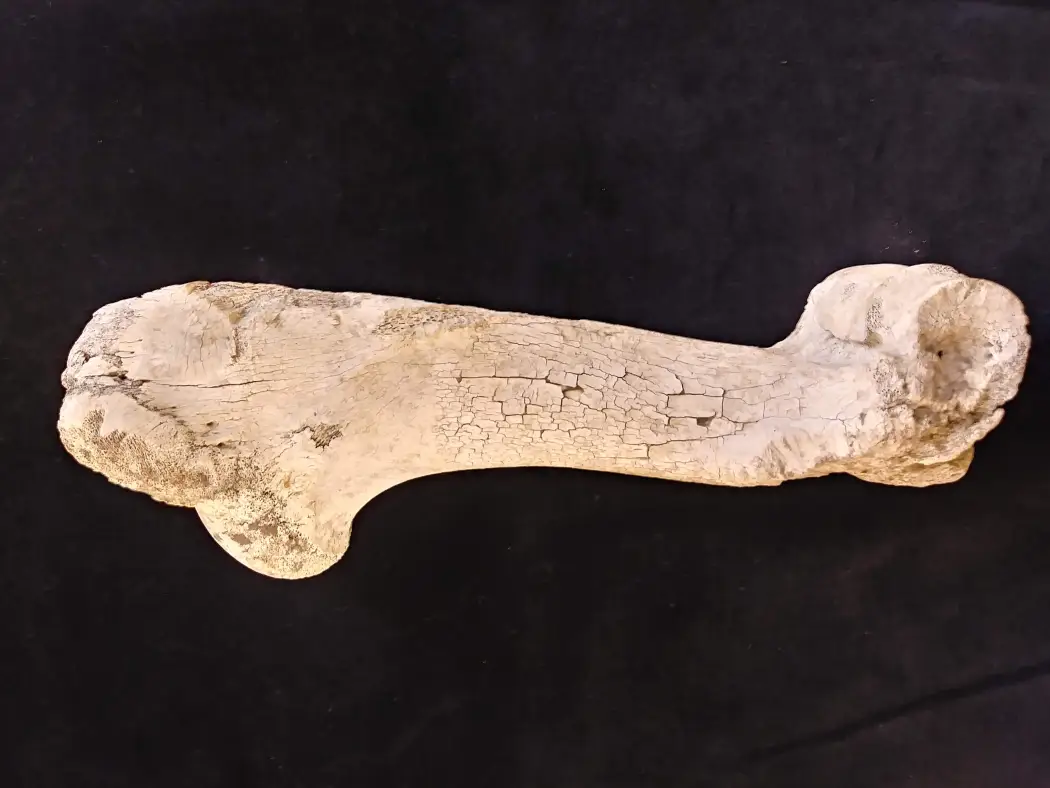
What Bones Can’t Tell You
If you’ve ever watched a crime drama, you’ve probably seen it: a pristine skeleton laid out under bright lights, and a lone expert who glances at the bones and immediately announces a full biography. Sex, age, ancestry, cause of death, even personality — all delivered with absolute certainty.
It makes for good television, but real forensic anthropology is less magical.
Real bones are quieter. They whisper, they hint, they offer possibilities — but they rarely give you the whole story, and almost never with certainty. As your friendly neighbourhood bio‑nerd, I’m here to walk you through what bones can’t tell you, why that matters, and how this actually works when the cameras aren’t rolling.
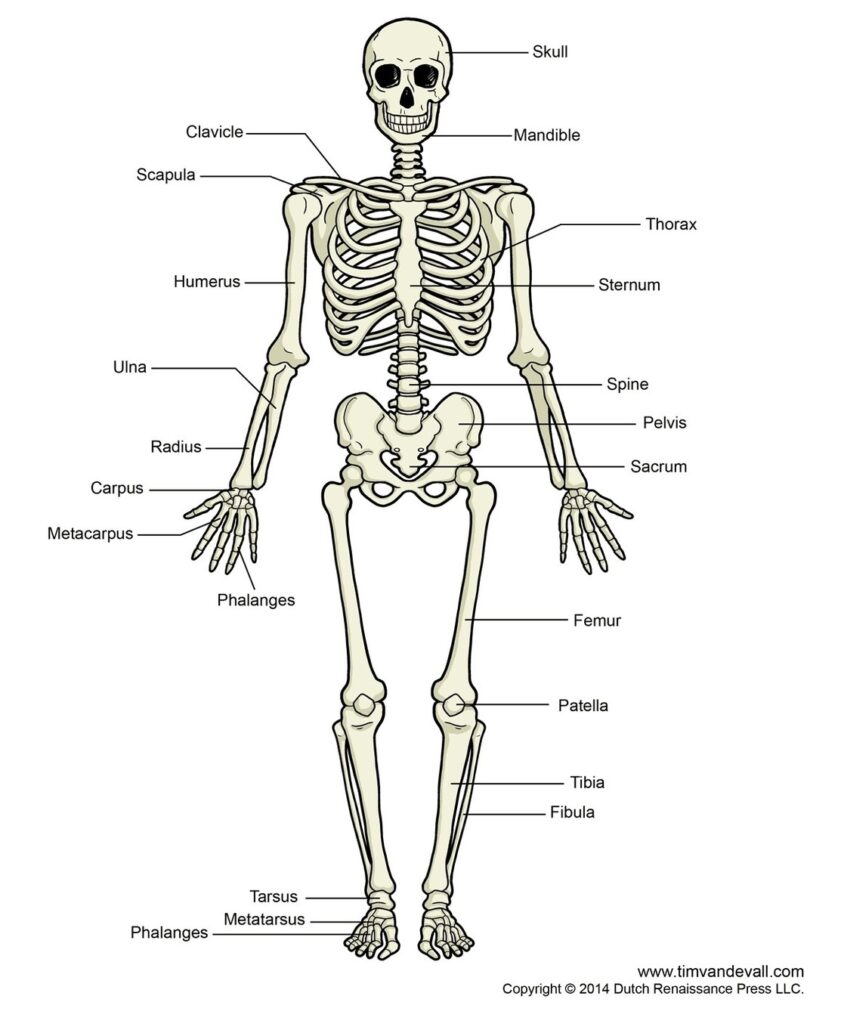
Bones Don’t Give Definitive Answers
One of the biggest misconceptions about skeletal analysis is that it’s definitive. It usually isn’t.
A trained osteologist or forensic anthropologist can estimate things like biological sex, age, stature, and ancestry with varying levels of accuracy. But those assessments are based on patterns, not certainty. These estimates are shaped by:
- huge natural variation in human populations
- extreme outliers
- traits altered by lifestyle, surgery, trauma, or deliberate modification
- differences between populations and the amount of research available for each
Even biological sex estimation, one of the more accurate areas of skeletal analysis, is still an estimation unless it’s confirmed through laboratory methods like DNA testing.
For writers, this means your detective can’t identify sex at a glance — uncertainty is realistic and often more interesting.
So when TV says, “This is definitely a 32‑year‑old male,” a real forensic anthropologist is thinking something more like: “Traits consistent with male. Age range 25–35. But we’ll need lab tests to be sure.”
Because yes — the only way to be certain is through laboratory analysis. DNA can confirm biological sex. Isotopes can hint at childhood diet or recent movement. But only if the bones can be sampled, which isn’t always possible — especially after burning, water exposure, or certain disposal methods.
Bones Can’t Always Tell You How Someone Died
This one feels obvious, but it’s the thing writers most often get wrong.
Writers often treat “cause of death” as a single category, but in forensics, it’s three different things: Manner (the circumstances), cause (the medical reason), and mechanism (the physiological failure). Bones rarely reveal any of them.
Bones only show the cause of death when the cause touches the bone. If someone dies from:
- poisoning
- suffocation
- heart failure
- internal bleeding
- soft tissue injury
- An infection that kills too quickly
Even diseases rarely leave skeletal traces — especially high‑mortality ones, which kill long before bone changes develop.
Sometimes the most scientifically accurate conclusion is:
“We don’t know.”
And that frustrates people, because we tend to expect science to produce certainty.
But forensic anthropology is often about narrowing possibilities rather than uncovering absolute truths.
The Dead Rarely Stay Neat
Television also loves a beautifully articulated skeleton lying politely in a shallow grave.
Reality is messier.
Most remains are:
- disarticulated
- incomplete
- scattered by animals, water, or time
- mixed with other individuals or animal bones
And then there’s taphonomy — the study of what happens to a body after death.
Nature is not gentle with remains.
Roots etch bones. Animals chew them. Weather cracks them. Soil chemistry dissolves them. Water moves them. Freeze-thaw cycles damage them. Different environments preserve different things in different ways. A bog can preserve soft tissue for centuries. An acidic environment can reduce a body to little more than a stain. A desert can naturally mummify remains while skeletonising other parts entirely.
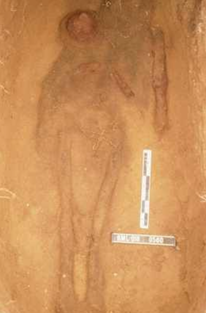
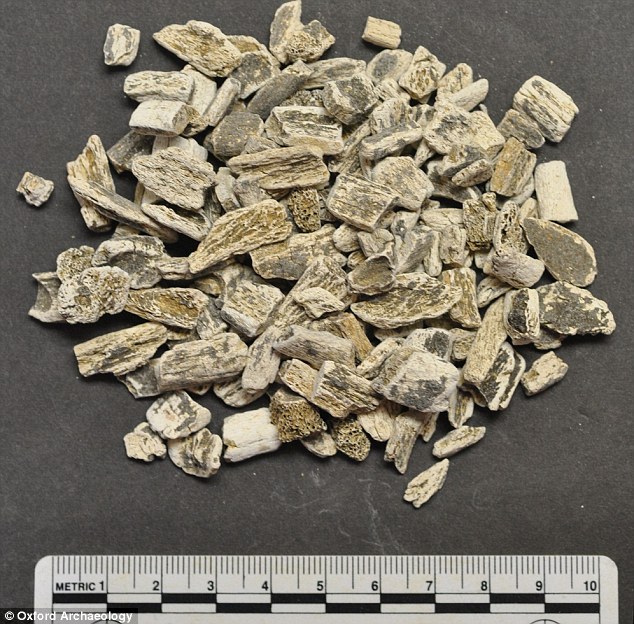
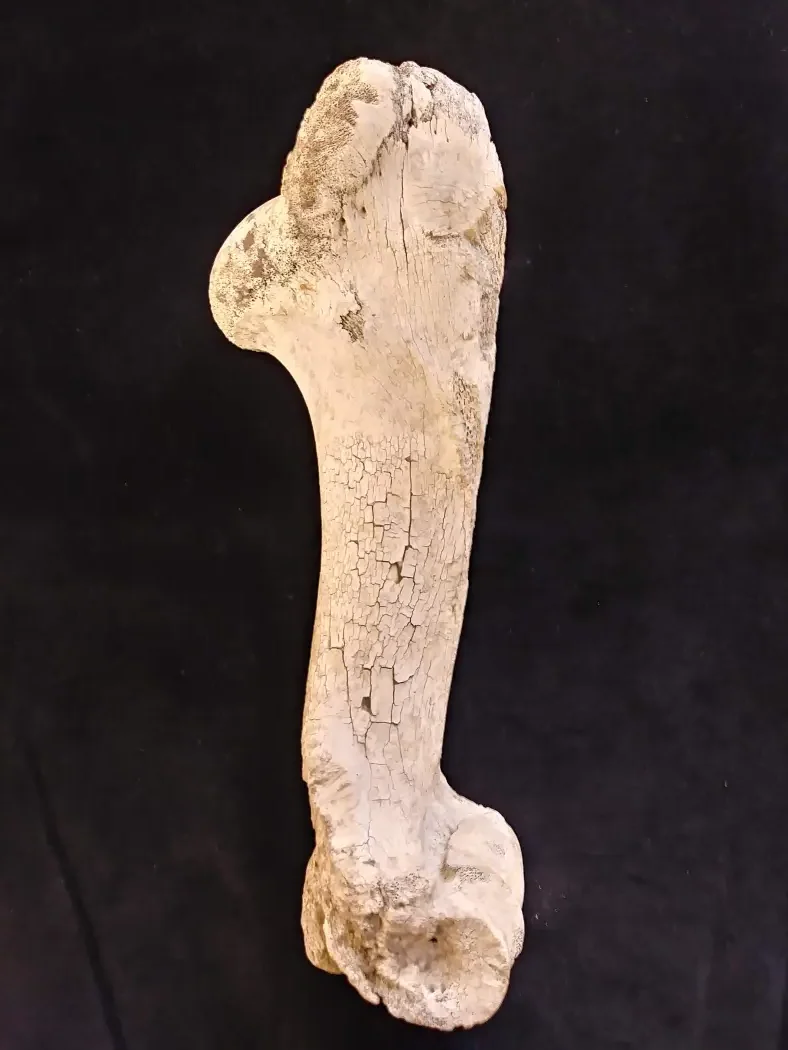
The environment becomes part of the story. Sometimes the postmortem history of the body is more visible than the death itself.
Bones Can’t Tell You Ancestry with Certainty
This is a big one for writers, and a sensitive one for real‑world practitioners.
When forensic anthropologists assess ancestry, they are not determining ethnicity, culture, religion, or identity. They are examining skeletal traits associated with broad biogeographical ancestry patterns, and that it’s only assessed when absolutely necessary. It’s also riddled with difficulties:
- Skeletal traits don’t map neatly onto skin, hair, or eye colour
- Many individuals have mixed ancestry
- Traits vary widely within populations
- Most methods only work on adults
- Only DNA can confirm ancestry with certainty
Importantly:
bones do not directly reveal skin colour, eye colour, religion, language, nationality, or culture.
Skeletons are biological remains, not identity documents.
Bones Often Can’t Identify a Person on Their Own
One thing fiction rarely shows is how much forensic identification relies on reducing possibilities.
A forensic anthropologist might help estimate:
- approximate age range
- biological sex
- stature
- ancestry
- evidence of previous injuries or medical treatment
But these are considered secondary identifiers.
The only methods generally accepted as definitive primary identification are:
- DNA analysis
- friction ridge assessment (including fingerprinting)
- dental comparison
- identifiable medical implants
Which means the skeleton itself often isn’t enough to identify someone conclusively.
Instead, anthropology helps investigators narrow the field so more testing can happen.
Budget Matters
Real forensic investigations are limited by time, funding, staffing, and available technology.
Not every case gets unlimited DNA testing.
Not every lab has cutting-edge equipment.
Not every investigation can spend months chasing every possibility.
Part of the forensic anthropologist’s role is actually practical: helping make investigations more efficient by narrowing possibilities and prioritising resources.
Which is far less glamorous than television, but honestly, much more interesting from a storytelling perspective.
Because real science is constrained.
And humans working within those constraints still manage to recover extraordinary amounts of information from incredibly fragmentary evidence.
Bones Are Evidence — Not Narrators
I think this is the part fiction struggles with most.
We want bones to tell stories.
But bones don’t narrate.
They preserve traces.
Patterns.
Damage.
Absences.
Sometimes forensic anthropology is less like “reading a skeleton” and more like reconstructing a shredded document after it’s been buried, burned, scattered, and partially eaten by wildlife.
The uncertainty is not a flaw in the science. It’s part of the science. And honestly, I think that makes it more compelling than the television version.
Because the real work is careful, methodical, collaborative, and deeply human.
Not magic.
Just people trying to recover fragments of truth from what remains.
Click here to see my portfolio of featured work
Click here for information about my commissions